Last reviewed October 2026 · Based on 67 studies and reviews
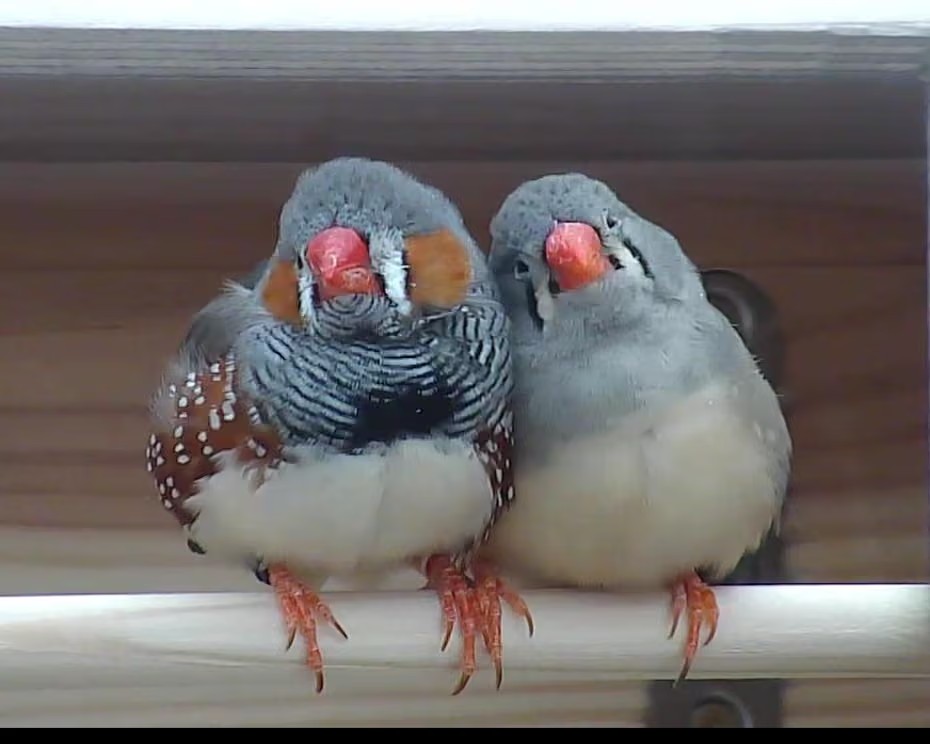
Level 1 · The basics
Do friends really make you happier?
Very probably, though it is hard to prove. Friends are one of the strongest links to happiness that scientists have found. In one study of 222 university students, every one of the very happiest 10% had good relationships with other people. Good relationships were not enough on their own to make someone very happy, but none of the very happy people lacked them.
Even small chats count. Students in one study felt happier on days when they talked to more classmates than usual, not just their close friends.
Is it about how many friends you have?
Partly, but how close you are matters a lot. When people wore tiny recorders for a week, the ones who talked with others more often were happier, and those who had deeper conversations felt more connected. You do not need to be popular. A few real friends and some friendly faces around you can do a lot.
Why do we hold back?
Most people expect a deep conversation with someone new to feel awkward. In experiments, it felt less awkward than they expected, and they felt closer afterwards. People also underestimate how much a kind message cheers up the person who gets it.
There is a catch. One recent study found that after a good chat, people expected the next chat to go well too, but within a week or two they went back to their old worries. So you may need to remind yourself: last time went better than I thought.
Is loneliness common?
Very. Around the world, teenagers report some of the highest levels of loneliness. In the USA, young people aged 15 to 24 spent about 150 minutes a day with friends in person in 2003, but only about 40 minutes in 2020. The pandemic made 2020 unusual, but the fall had started long before.
Feeling lonely sometimes is normal. Many scientists think it works like a signal, a bit like hunger, telling you to reach out.
Try this
- Message one person today just to say you are thinking of them.
- Go one level deeper. Ask "What was the best part of your week?" instead of "How are you?"
- Talk to someone new, like a classmate you rarely chat with.
- Put your phone away when you are with friends.
- Talk problems through, then move on. Going over the same worry again and again with a friend is linked to feeling lower later on.
- Take a friend outside. Walk somewhere green with someone, and notice three living things together.
- Notice nature on the way to school: a tree, a bird, the weather.
- Spend calm time with a pet you know, or one whose owner says it is OK, but do not expect a pet to fix a bad day.
Beyond people: nature and animals
Friends and family matter most for happiness. But some scientists think we can also feel connected to the natural world and to animals.
Feeling close to nature. Some people feel that nature is part of who they are. They notice birds, trees and sky. Across many studies, people who feel this way tend to be a bit happier and feel more full of energy. The link is small, and we do not yet know which one comes first.
Green places near home. In Denmark, scientists looked at about a million people. Children who grew up with very little green space near home were more likely to have mental health problems later. But families who live near parks are often better off in other ways too, so green space may not be the whole story.
Nature works best with people. In a French study of teenagers, being with friends or family was linked to feeling good in the moment much more clearly than being near green space was. In Finland, lonely older people who went out into nature together in small groups felt less lonely for a few months.
Forest bathing. In Japan, people take slow, quiet walks in forests. Studies say people feel calmer afterwards. But many of these studies are small, and people know which group they are in, which can make results look better than they are.
Pets. Lots of people love their pets. But big studies find that owning a pet does not, on its own, make people happier or protect them from feeling low. How you get on with your pet, and with the people around you, seems to matter more.
Animals as helpers. Visits from trained therapy animals, often dogs, seem to ease stress and low mood a little in trials. Horse programmes for military veterans with trauma look hopeful, but there are only a few small studies.
Level 2 · The evidence explained
Connection and long life
In 2010 Julianne Holt-Lunstad and colleagues pooled 148 studies of 308,849 people. Those with stronger social relationships had about 50% higher odds of surviving over the study periods. The link was strongest for rich measures of social life (how many roles, groups and ties people have) and weakest, and not clearly reliable, for simply living alone. A 2015 follow-up found loneliness, social isolation and living alone were each linked to about 26% to 32% higher odds of earlier death.
Newer and larger reviews confirm the pattern but trim the loneliness figure. A 2023 review of 90 studies and over 2.2 million people found a 32% higher risk of death for social isolation and 14% for loneliness. A 2025 review of older adults found almost identical numbers. The logic matters here: isolation (few contacts) and loneliness (feeling alone) are different, and isolation seems more closely tied to physical health and death, while loneliness is more closely tied to mood.
All of these are observational studies. People who are ill may become isolated, rather than the other way round. Researchers adjust for this, but cannot remove it completely.
Quality, not just quantity
A review of 126 studies (over 72,000 people) found that happier marriages go with better health, but the effects were small, about the same size as the links between diet and health. In older adults, stronger friendships predicted lower risk of death, more exercise and better mood, but also more smoking, perhaps because friends tend to share habits, good and bad.
The Harvard Study of Adult Development
This study has followed the same American men since 1938, and later their wives and children. Its director summarises it as showing that a good life is built on relationships rather than achievement or riches. The papers we read support parts of this. In couples in their 80s, people were happier on days they spent more time with others, and a happy marriage buffered their mood on days when they felt less healthy. Feeling securely attached to a spouse predicted less depression two and a half years later. But the original samples were all male and white, and the findings are correlational.
What helps with loneliness?
A 2011 review by Christopher Masi and colleagues found four main approaches: social skills, social support, more chances to meet people, and changing unhelpful thoughts about others. Better-designed trials found smaller effects, and the most successful approach targeted unhelpful thinking, such as expecting rejection.
Recent work agrees. Talking-therapy approaches reduce loneliness by a moderate amount, though trials are small and at risk of bias. A 2026 trial in Hong Kong with 1,151 lonely older adults found that eight short phone sessions of either planning enjoyable activities or mindfulness reduced loneliness for a year, compared with friendly chat calls. The difference was small. For young people, the best trials show only a small effect that could be chance. Simply arranging more contact helps least. Technology on its own shows no reliable effect, although some online group therapy programmes do help.
AI companions
In a four-week trial of 981 adults, people who chose to chat with an AI chatbot more each day tended to be lonelier and to socialise less with real people. This was a correlation, the study had not been peer reviewed when we read it, and four of its authors work at OpenAI, which makes the chatbot.
If low mood is severe, lasts for weeks, or comes with thoughts of self-harm, talk to a doctor or a trusted adult.
What this means for you
The link between relationships and wellbeing is one of the most consistent in this field, even if exact cause and effect is uncertain. The most useful lever may be your own expectations: people reliably expect conversations to go worse than they do. Small, regular acts of contact are realistic and cheap, and there is little downside.
Beyond people: nature and animals
Relationships are the strongest everyday link to wellbeing. Researchers have asked whether connections with nature and animals add anything. The short answer: nature connection has a small, consistent link with wellbeing; pets have no reliable effect on average; and the treatment evidence for nature and animals is promising but mostly weak.
Nature connectedness. A 2014 meta-analysis of 30 samples (8,523 people) found that people who feel more connected to nature report more positive feelings, vitality and life satisfaction (Capaldi et al., 2014). A follow-up review found a similar link with a deeper kind of wellbeing, especially a sense of personal growth (Pritchard et al., 2020). Both effects are small, and almost all of the studies are surveys, so they cannot show that nature causes the happiness.
Nature with people. One of the clearest 2026 results joins this page's two themes. In a Finnish randomised trial, 319 lonely older adults (average age 83) either joined nine weekly small-group nature outings or received usual care. Loneliness fell in the nature groups at three months but not in the comparison group, though the difference faded by six to twelve months (Pitkälä et al., 2026). Since the groups were social, we cannot tell how much was the nature and how much the company.
Green space and young people. A Danish register study of about a million people found that those with the least green space around their childhood home had up to 55% higher risk of a range of later psychiatric disorders, even after adjusting for wealth and family history (Engemann et al., 2019). Reviews of adolescent studies mostly find similar favourable links (Zhang et al., 2020; Sprague et al., 2022). But in a 2025 analysis of 3,595 children followed from age 3 to 17 in England, green space was not directly linked to mental health once neighbourhood wealth was considered; wealth was the strongest factor (Shoari et al., 2025). Our reading: green space probably helps a little, but it is tangled up with income, safety and other neighbourhood features.
Forest bathing. Recent reviews pool 11 to 25 studies and report medium to large short-term drops in stress, anxiety and low mood after forest sessions (Qin et al., 2026). But results vary hugely between studies, participants cannot be blinded, many studies are small, and one 2026 review rated the overall certainty of the evidence as very low (Andrade et al., 2026). Treat forest bathing as a pleasant, low-risk practice, not a treatment.
Pets. A 2025 meta-analysis of 21 observational studies (159,322 people) found pet owners were no more and no less likely to be depressed than non-owners (Moshfeghinia et al., 2025). In 9,631 US teenagers, owning a pet did not predict later depressive symptoms (Żebrowska et al., 2022). In Hungary, people who got a pet during the pandemic felt more cheerful for one to four months, but over six months new dog owners reported lower calm and life satisfaction (Mokos et al., 2025). The main problem with pet research is confounding: people who choose and can afford pets differ from people who do not.
Animal-assisted interventions and horses. A 2026 meta-analysis of 35 randomised trials (2,391 adults) found that structured sessions with animals reduced depression by a small to moderate amount and anxiety and stress by more, though results varied widely (Shih et al., 2026). For veterans with PTSD, a 2024 review of 13 equine studies found lower PTSD scores after horse programmes, but only one study was at low risk of bias (Provan et al., 2024). The best known US studies are a small randomised trial of therapeutic riding (29 veterans; Johnson et al., 2018) and an uncontrolled Columbia University trial in which about half of 63 veterans improved markedly (Fisher et al., 2021). We could not find a published randomised trial from the Columbia group.
Time in nature and with animals is worth having, especially shared with other people. Expect a modest, mostly short-term lift. A pet is a relationship with costs as well as rewards, not a wellbeing treatment.
Level 3 · Deep dive
Mortality meta-analyses
Holt-Lunstad et al. (2010): k = 148, N = 308,849, OR = 1.50 (95% CI 1.42 to 1.59) for survival with stronger relationships; complex social integration OR = 1.91 (1.63 to 2.23); living alone OR = 1.19 (0.99 to 1.44). Holt-Lunstad et al. (2015; adjusted estimates): isolation OR = 1.29, loneliness 1.26, living alone 1.32, stronger in samples under 65. Wang et al. (2023; 90 cohorts, N = 2,205,199, PROSPERO-registered): all-cause mortality 1.32 (1.26 to 1.39) for isolation and 1.14 (1.08 to 1.20) for loneliness. Nakou et al. (2025; 86 studies, older adults): loneliness HR 1.14 (1.10 to 1.18, I² = 84%), isolation 1.35, living alone 1.21. Estimates converge on about 1.3 for isolation and 1.1 for loneliness, but residual confounding by health, depression and income is likely. Hong et al. (2023; N = 13,752), adjusting for prior exposures and outcomes, found isolation more predictive of mortality and loneliness of psychological outcomes.
The popular "15 cigarettes a day" comparison comes from the 2023 US Surgeon General's advisory; the meta-analyses themselves say only that effects are comparable to established risk factors. The WHO Commission (2025) attributes about 871,000 deaths a year to loneliness; the pages we read do not explain how this was modelled.
Mechanisms
Shen et al. (2025; UK Biobank, N = 42,062, 2,920 plasma proteins) linked isolation and loneliness to inflammatory, antiviral and complement proteins. Mendelian randomisation suggested a causal path from loneliness to five proteins, which partly mediated links with cardiovascular disease, stroke and mortality over 14 years: a mechanism hypothesis, given MR's strong assumptions. Robles et al. (2014) found marital quality associated with health at r = .07 to .21 (mortality r = .11).
Everyday interaction and wellbeing
Sun et al. (2020; N = 256, 3,206 observations, audio plus experience sampling) found interaction quantity robustly associated with wellbeing by self- and observer-report; quality effects were larger for self-report, suggesting some shared-method inflation. Sandstrom and Dunn (2014) linked more weak-tie interactions on a given day to greater happiness and belonging.
A programme of experiments from Epley's group shows systematic pessimism: people overestimate the awkwardness of deep talk with strangers (Kardas et al., 2022), underestimate how positively recipients respond to support (Dungan et al., 2022), and lose corrected expectations within one to two weeks (Atir & Epley, 2026). These are short-term US studies.
Friendship, contagion and the dark side
Kim et al. (2023; N = 12,998) linked stronger friendship to lower mortality and better psychosocial outcomes, but also to more smoking. In adolescents, co-rumination prospectively predicted depressive symptoms (46 datasets, N = 18,222, β = 0.036), a small effect driven by co-brooding (Li et al., 2026). Fowler and Christakis (2008; N = 4,739) reported that a nearby friend becoming happy raised one's own probability of happiness by 25% (95% CI 1% to 57%). In the same issue, Cohen-Cole and Fletcher (2008) showed similar methods detect "contagion" of acne and height that vanishes after adjusting for shared environment.
Development and the Harvard Study
Beyond the couple studies in Level 2, Nevarez et al. (2017; 101 WWII combat veterans) found good relationships with fellow soldiers weakened the link between combat exposure and PTSD symptoms. Limits: all-male, white US core samples, small subsamples, correlational designs. Funding: two of the papers we read list US National Institutes of Health support; we found no John Templeton Foundation statement in them and cannot confirm such funding. The best-known popular summaries are written by the Study's own directors.
Kim et al. (2025; Add Health, N = 11,040 and 9,003) found rising adolescent loneliness associated with 4 of 7 adult mental health outcomes (depression RR 1.25, 95% CI 1.06 to 1.49) but 1 of 13 physical outcomes. Funding: Kim, Wilkinson and VanderWeele (Kim et al., 2025), and Chen as well on Kim et al. (2023) and Hong et al. (2023), list affiliations with Harvard's Human Flourishing Program, whose flagship Global Flourishing Study is funded by the John Templeton Foundation, other Templeton charities and further foundations (Baylor University, 2021). Study-specific funding was not stated in the abstracts we read.
Interventions
Masi et al. (2011) found randomised designs gave smaller effects than pre-post designs, with maladaptive social cognition the most effective target. Birken et al. (2026; 22 studies, N = 2,567, all at some or high risk of bias) estimated g = -0.46 for CBT-based approaches. Coppola et al. (2025) reported SMD = -1.11 in older adults, but with I² = 99.6%. Across 40 digital RCTs (N = 6,062), group-based psychological interventions worked, while social contact interventions, conversational robots and social media reduction showed little (Hansen et al., 2025); technology-based interventions overall gave SMD = -0.21 (95% CI -0.59 to 0.17; Meier et al., 2026). In youth, six RCTs gave g = -0.20 (95% CI -0.42 to 0.02), with social-emotional skills training most promising (Burke et al., 2026). The strongest single trial is HEAL-HOA (Tang et al., 2026; N = 1,151, assessor-blinded, active befriending control): telephone behavioural activation and mindfulness reduced UCLA loneliness at 12 months by about 0.7 points, a small absolute difference.
AI and loneliness
Fang et al. (2025; preprint, N = 981, 4 weeks) found no effect of chatbot condition on loneliness, but heavier voluntary use correlated with more loneliness and less socialising. Conflict of interest: four authors are OpenAI employees. Cachia et al. (2026; N = 486, 6 weeks, care-as-usual control) found a generative-AI wellbeing app reduced loneliness but not depression or anxiety. Conflict of interest: the first two authors work for the app's developer, Flourish Science.
Claims we deliberately do not make
That loneliness is "as deadly as 15 cigarettes a day" (the meta-analyses do not support that precise equivalence); that relationships are proven to cause longer life (the evidence is observational); that the Harvard Study proves relationships matter more than anything else (its core samples were small, all-male and white); that happiness is contagious (the method critique leaves this unproven); that one close friend is enough and network size does not matter, as our previous page said (interaction quantity and weak ties also predict wellbeing); that apps, chatbots or social media breaks reliably reduce loneliness; and that any loneliness programme is proven for teenagers.
Beyond people: nature and animals
Nature connectedness (correlational). Capaldi et al. (2014): fixed-effect meta-analysis, 30 samples, N = 8,523, r = .19 with happiness (vitality r = .24, positive affect r = .22, life satisfaction r = .17); inclusion of nature in self showed the largest association (r = .27). Pritchard et al. (2020): 20 samples, n = 4,758, r = .24 with eudaimonic wellbeing, not significantly different from hedonic wellbeing (r = .20; 30 samples, n = 11,638); personal growth showed a moderate effect. Both syntheses are cross-sectional and self-report, so shared method variance and reverse causation cannot be excluded. The Pritchard group (Derby) runs a nature connectedness research programme; we found no commercial conflict.
Experimental nature exposure. A meta-analysis of RCTs of green exposure reported reduced fatigue (SMD -0.84), raised vitality (0.85) and lower heart rate (-0.60), and the authors called the effects large (Song et al., 2022). These are short, acute exposures, and the samples underrepresent adolescents. The Friends in Nature RCT (RECETAS, EU Horizon 2020; participants from 22 assisted-living facilities, n = 162 vs 157 usual care; 55% with dementia) found a between-group loneliness difference at 3 months (mDJGLS change -2.2 vs -0.1; p = .025) that attenuated by 6 and 12 months, no HRQoL effect, and better 15D sleep scores (Pitkälä et al., 2026). Secondary analyses reported small 3-month gains in clock drawing and in the Nature Connection Index relative to controls (Pitkala et al., 2026, JAMDA). Nature and group contact are confounded by design. Participants knew which group they were in, and loneliness was self-reported, which is a further limitation.
Green space and youth mental health. Engemann et al. (2019): Danish registers, about 1 million people, NDVI within 210 x 210 m from birth to age 10; lowest versus highest green space associated with up to 55% higher risk of later disorders, robust to urbanisation, socioeconomic status and parental history, with a cumulative-exposure gradient. Sprague et al. (2022): 28 prospective studies; 79% suggested benefit, concentrated in wealthy Western European settings. Zhang et al. (2020): 14 studies, favourable associations with stress, mood and distress but limited and at risk of bias. Bray et al. (2022): 48 studies in 14 to 24 year olds; experiments show immediate mood and state anxiety gains, with social interaction, physical activity and mindfulness proposed as mediators. Recent cohorts are mixed. In the Millennium Cohort Study, Shoari et al. (2025; n = 3,595) found neighbourhood socioeconomic status was the dominant correlate of SDQ scores, with no direct green space association (only a sex interaction). Baranyi et al. (2026; n ≈ 8,000) found a composite of built and social environment (lower greenness, more grey space, deprivation, crime) associated with high distress at 17 (OR about 1.2), with greenness not isolable from deprivation. In a GEMA study of 122 French adolescents, social company was associated with momentary wellbeing (being with friends B = 3.5), while green space showed only a trend (Buzzi et al., 2026). Residual confounding by socioeconomic position is the central threat to causal inference throughout.
Shinrin-yoku. Yeon et al. (2021): 20 studies, mostly Korean, depression g = 1.13 and anxiety g = 1.72, with 5 RCTs all of some concern or high risk of bias. One author was affiliated with Korea's National Center for Forest Therapy and one with the Korea Forest Therapy Forum, and most of the others with a university forest therapy department, so the team has an institutional interest in the practice. Qin et al. (2026): 25 RCT and quasi-experimental studies, N = 1,876; stress SMD -0.71, depression -0.68, anxiety -0.77; I² > 74%; funnel asymmetry for emotional outcomes, attenuated but still significant after trim-and-fill; GRADE moderate (stress) to low. Lu et al. (2026): 18 RCTs, N = 2,169, SMD -1.01 for depressive symptoms, I² = 90%, publication bias with 7 imputed studies. Andrade et al. (2026): 11 studies, GRADE very low, recommending it as a complement to health promotion only. Effect sizes this large in unblinded, self-report, short-follow-up trials should be read as upper bounds.
Pet ownership. Moshfeghinia et al. (2025): 21 observational studies, N = 159,322, pooled OR 1.03 (0.995 to 1.07); cats OR 1.06 (1.02 to 1.09); dogs OR 0.93 (0.79 to 1.10). Żebrowska et al. (2022; GUTS, n = 9,631, ages 12 to 18, propensity-adjusted): OR 1.14 (0.95 to 1.38), with effect modification by maternal depression. Endo et al. (2020; Tokyo Teen Cohort, n = 2,584) found dog ownership at age 10 predicted maintained wellbeing at 12 and cat ownership predicted decline. Mueller et al. (2021) found pet ownership predicted greater loneliness increases in adolescents during COVID-19. Northrope et al. (2025) reviewed 116 mostly cross-sectional studies of pet attachment: 15 favourable, 22 unfavourable, 36 mixed, 33 null; stronger attachment tracked worse symptom measures but better wellbeing measures. Mokos et al. (2025) used a stratified random Hungarian sample (n = 2,783; 65 acquirers), reducing the pet-enthusiast selection bias of earlier work: acquisition raised cheerfulness for 1 to 4 months, followed by declines in calm, activity and life satisfaction among dog acquirers by 6 months. Funding note: parts of this field are funded by the pet industry; for example, the Purewal et al. (2017) review of child and adolescent development was funded by the WALTHAM Centre for Pet Nutrition (Mars Petcare), which also employed one of its authors.
Animal-assisted interventions (AAI). Shih et al. (2026): 35 RCTs, N = 2,391 adults; depression g = -0.40, anxiety g = -0.66, stress g = -1.06; substantial heterogeneity; no effect on pain or gait. Lv et al. (2026): 20 studies in older adults; depression SMD -0.45 (GRADE low), no pooled effect on anxiety or loneliness, larger effects in quasi-experimental designs (a sign of design-related inflation). Control conditions rarely match the attention and novelty of an animal visit.
Equine-assisted services for veterans with PTSD. Johnson et al. (2018): randomised waitlist design, n = 29 (15 vs 14), 6 weeks of therapeutic riding; the abstract reports significant within-group PCL-M reductions at 3 and 6 weeks but no significant effects on coping self-efficacy, emotion regulation or loneliness, and emotional loneliness moved in the unexpected direction. Fisher et al. (2021): manualised 8-session group EAT-PTSD, open trial, n = 63, CAPS-5 38.6 to 26.9, 50.8% with ≥ 30% reduction post-treatment and 54.0% at 3 months, 8% dropout; no control group. Provan et al. (2024): 13 studies, 344 participants, PCL mean difference 12.46 (9.03 to 15.88), only one study at low risk of bias. Kowalski et al. (2025): retrospective multi-site pre-post evaluation (n = 107, 12 sites) of the Eagala model, co-authored by a representative of the Eagala association, which developed the model. We searched PubMed and ClinicalTrials.gov and found no published 2024 Columbia randomised trial; the Columbia (Man O' War Project) evidence is the 2021 open trial, and an RCT is listed as a goal of the project. We could not confirm the project's funding sources.
Claims we deliberately do not make. That nature or pets "cause" happiness; that green space prevents mental illness (the evidence is observational and confounded by wealth); that forest bathing works through phytoncides or immune changes, which we did not assess; that getting a pet will lift mood or protect a teenager from depression; that cat ownership causes depression; that horse therapy is an established PTSD treatment comparable to trauma-focused psychotherapy; that a randomised trial has shown equine therapy works for veterans.
Frequently asked questions
Do relationships make you happier?
Strong relationships are one of the most consistent predictors of happiness, and in one study none of the happiest 10% of students lacked them, though they were not enough on their own (Diener & Seligman, 2002).
Is loneliness bad for your health?
In a review of 90 studies and over 2.2 million people, loneliness was linked to a 14% higher risk of earlier death and social isolation to a 32% higher risk, though these studies cannot fully prove cause and effect (Wang et al., 2023).
What did the Harvard Study of Adult Development find?
It began in 1938 by following two groups of young Boston-area men, and links warm relationships to wellbeing in later life; for example, octogenarians in happy marriages stayed happier on days when they felt less healthy (Waldinger & Schulz, 2010).
How can I feel less lonely?
Approaches that change unhelpful thoughts about others, such as expecting rejection, have worked best in trials, and simply adding more contact helps less (Masi et al., 2011; Birken et al., 2026).
Are teenagers lonelier than adults?
Teenagers report some of the highest rates of loneliness worldwide, and in the USA 15 to 24 year olds' in-person time with friends fell from about 150 to about 40 minutes a day between 2003 and 2020 (2020 was a pandemic year, but the decline began well before it) (WHO Commission on Social Connection, 2025; Office of the Surgeon General, 2023).
Can talking to an AI chatbot cure loneliness?
There is no good evidence that chatting with a general AI chatbot reduces loneliness. In a four-week trial, heavier chatbot users were lonelier and socialised less, though this was a correlation, OpenAI staff co-authored it and it was not peer reviewed. One trial of a purpose-built wellbeing app found a small drop in loneliness, but staff of the app's maker wrote it (Fang et al., 2025; Cachia et al., 2026).
Does having a pet make you happier?
Not on average. Across 21 studies of nearly 160,000 people, pet owners were no less likely to be depressed than non-owners, and new pets gave only a short-lived lift in one 2025 study (Moshfeghinia et al., 2025; Mokos et al., 2025).
What is happiness in a relationship?
In research it is usually measured as relationship quality: how satisfied partners feel with each other. Happier marriages go with better health, though the effects are small (Robles et al., 2014). In couples in their 80s, a happy marriage protected people's mood on days when they felt less healthy (Waldinger & Schulz, 2010), and feeling securely attached to a spouse predicted less depression two and a half years later (Waldinger et al., 2015).
Bibliography
Andrade, A. M., Durães, S. da F., Franco Netto, L. C. R., Fenner, A. L. D., Carvalho, M. A. B., & Franco Netto, G. (2026). Short-term cardiovascular and mental health responses to Shinrin-Yoku (forest bathing): A systematic review and meta-analysis. Frontiers in Psychology, 17, 1707829. https://doi.org/10.3389/fpsyg.2026.1707829
Atir, S., & Epley, N. (2026). Fleeting generalization: How unstable belief updating keeps people overly pessimistic about talking to strangers. Journal of Personality and Social Psychology, 131(3), 422-443. https://doi.org/10.1037/pspa0000483
Baranyi, G., Patalay, P., Church, D., de Hoogh, K., Fitzsimons, E., & Tonne, C. (2026). Early life-course environmental exposures and adolescent common mental illness in the UK: A 17-year follow-up study. Environment International, 214, 110361. https://doi.org/10.1016/j.envint.2026.110361
Baylor University. (2021). Baylor and Harvard researchers partner in long-term, global study of human flourishing [News release]. https://news.web.baylor.edu/news/story/2021/baylor-and-harvard-researchers-partner-long-term-global-study-human-flourishing
Birken, M., Ikhtabi, S., Steare, T., Johnson, S., Benedetto, G., Lin, F., Scott, H. R., Harju-Seppänen, J., McCloud, T., Shafran, R., & Pitman, A. (2026). Investigating the effectiveness of interventions intended to reduce loneliness using psychological strategies and a theory of change: A systematic review of interventional studies and meta-analysis. BMC Psychology, 14(1), 131. https://doi.org/10.1186/s40359-025-03639-3
Boothby, E. J., Cooney, G., Sandstrom, G. M., & Clark, M. S. (2018). The liking gap in conversations: Do people like us more than we think? Psychological Science, 29(11), 1742-1756. https://doi.org/10.1177/0956797618783714
Bray, I., Reece, R., Sinnett, D., Martin, F., & Hayward, R. (2022). Exploring the role of exposure to green and blue spaces in preventing anxiety and depression among young people aged 14-24 years living in urban settings: A systematic review and conceptual framework. Environmental Research, 214(Pt 4), 114081. https://doi.org/10.1016/j.envres.2022.114081
Burke, L., Christiansen, J., Lasgaard, M., Demkowicz, O., Verity, L., Lau, J. Y. F., & Qualter, P. (2026). Interventions to reduce loneliness in children and adolescents (4-18 years): A systematic review and meta-analysis with narrative synthesis of study-level characteristics. Journal of Affective Disorders, 403, 121445. https://doi.org/10.1016/j.jad.2026.121445
Buzzi, M., Agrinier, N., Lalloué, B., Lequy, E., Ligier, F., O'Loughlin, J., Kestens, Y., & Minary, L. (2026). How do you feel right now? Investigating momentary well-being in French adolescents using geographically-explicit ecological momentary assessment. SSM - Population Health, 35, 101956. https://doi.org/10.1016/j.ssmph.2026.101956
Cachia, J. Y. A., Zhao, X., Hunter, J., Wu, D., Lin, E., & De Freitas, J. (2026). AI for proactive mental health: A multi-institutional, longitudinal randomized controlled trial. NEJM AI, 3(8), AIoa2501293. https://doi.org/10.1056/AIoa2501293
Capaldi, C. A., Dopko, R. L., & Zelenski, J. M. (2014). The relationship between nature connectedness and happiness: A meta-analysis. Frontiers in Psychology, 5, 976. https://doi.org/10.3389/fpsyg.2014.00976
Cohen-Cole, E., & Fletcher, J. M. (2008). Detecting implausible social network effects in acne, height, and headaches: Longitudinal analysis. BMJ, 337, a2533. https://doi.org/10.1136/bmj.a2533
Coppola, A. M., Ibrahim, S., Bloch, N., Sah, E., Mehta, S., Goel, S., Calkins, J., Hernandez, V., & Lee, E. E. (2025). Systematic review and meta-analysis of mechanistic loneliness interventions for older adults. Annals of the New York Academy of Sciences, 1552(1), 66-77. https://doi.org/10.1111/nyas.70046
Diener, E., & Seligman, M. E. P. (2002). Very happy people. Psychological Science, 13(1), 81-84. https://doi.org/10.1111/1467-9280.00415
Dungan, J. A., Munguia Gomez, D. M., & Epley, N. (2022). Too reluctant to reach out: Receiving social support is more positive than expressers expect. Psychological Science, 33(8), 1300-1312. https://doi.org/10.1177/09567976221082942
Endo, K., Yamasaki, S., Ando, S., Kikusui, T., Mogi, K., Nagasawa, M., Kamimura, I., Ishihara, J., Nakanishi, M., Usami, S., Hiraiwa-Hasegawa, M., Kasai, K., & Nishida, A. (2020). Dog and cat ownership predicts adolescents' mental well-being: A population-based longitudinal study. International Journal of Environmental Research and Public Health, 17(3), 884. https://doi.org/10.3390/ijerph17030884
Engemann, K., Pedersen, C. B., Arge, L., Tsirogiannis, C., Mortensen, P. B., & Svenning, J.-C. (2019). Residential green space in childhood is associated with lower risk of psychiatric disorders from adolescence into adulthood. Proceedings of the National Academy of Sciences, 116(11), 5188-5193. https://doi.org/10.1073/pnas.1807504116
Fang, C. M., Liu, A. R., Danry, V., Lee, E., Chan, S. W. T., Pataranutaporn, P., Maes, P., Phang, J., Lampe, M., Ahmad, L., & Agarwal, S. (2025). How AI and human behaviors shape psychosocial effects of chatbot use: A longitudinal randomized controlled study [Preprint]. arXiv. https://doi.org/10.48550/arXiv.2503.17473
Fisher, P. W., Lazarov, A., Lowell, A., Arnon, S., Turner, J. B., Bergman, M., Ryba, M., Such, S., Marohasy, C., Zhu, X., Suarez-Jimenez, B., Markowitz, J. C., & Neria, Y. (2021). Equine-assisted therapy for posttraumatic stress disorder among military veterans: An open trial. The Journal of Clinical Psychiatry, 82(5), 21m14005. https://doi.org/10.4088/JCP.21m14005
Fowler, J. H., & Christakis, N. A. (2008). Dynamic spread of happiness in a large social network: Longitudinal analysis over 20 years in the Framingham Heart Study. BMJ, 337, a2338. https://doi.org/10.1136/bmj.a2338
Hansen, T., Johansen, R., Kirkøen, B., Stene-Larsen, K., Straiton, M., Tornes, R. A., & Reneflot, A. (2025). Digital bridges to social connection: A systematic review and meta-analysis of digital interventions for loneliness and social isolation. Internet Interventions, 41, 100856. https://doi.org/10.1016/j.invent.2025.100856
Holt-Lunstad, J., Smith, T. B., & Layton, J. B. (2010). Social relationships and mortality risk: A meta-analytic review. PLoS Medicine, 7(7), e1000316. https://doi.org/10.1371/journal.pmed.1000316
Holt-Lunstad, J., Smith, T. B., Baker, M., Harris, T., & Stephenson, D. (2015). Loneliness and social isolation as risk factors for mortality: A meta-analytic review. Perspectives on Psychological Science, 10(2), 227-237. https://doi.org/10.1177/1745691614568352
Hong, J. H., Nakamura, J. S., Berkman, L. F., Chen, F. S., Shiba, K., Chen, Y., Kim, E. S., & VanderWeele, T. J. (2023). Are loneliness and social isolation equal threats to health and well-being? An outcome-wide longitudinal approach. SSM - Population Health, 23, 101459. https://doi.org/10.1016/j.ssmph.2023.101459
Johnson, R. A., Albright, D. L., Marzolf, J. R., Bibbo, J. L., Yaglom, H. D., Crowder, S. M., Carlisle, G. K., Willard, A., Russell, C. L., Grindler, K., Osterlind, S., Wassman, M., & Harms, N. (2018). Effects of therapeutic horseback riding on post-traumatic stress disorder in military veterans. Military Medical Research, 5(1), 3. https://doi.org/10.1186/s40779-018-0149-6
Kardas, M., Kumar, A., & Epley, N. (2022). Overly shallow?: Miscalibrated expectations create a barrier to deeper conversation. Journal of Personality and Social Psychology, 122(3), 367-398. https://doi.org/10.1037/pspa0000281
Kim, E. S., Chopik, W. J., Chen, Y., Wilkinson, R., & VanderWeele, T. J. (2023). United we thrive: Friendship and subsequent physical, behavioural and psychosocial health in older adults (an outcome-wide longitudinal approach). Epidemiology and Psychiatric Sciences, 32, e65. https://doi.org/10.1017/S204579602300077X
Kim, E. S., Wilkinson, R., Holt-Lunstad, J., & VanderWeele, T. J. (2025). Loneliness during adolescence and subsequent health and well-being in adulthood: An outcome-wide longitudinal approach. Journal of Adolescent Health, 77(1), 66-75. https://doi.org/10.1016/j.jadohealth.2024.12.011
Kowalski, H., Van Buiten, H., Hopkins, P., Baldwin, C., Nazarenko, E., & Marchand, W. R. (2025). A multi-site observational evaluation of the Equine Assisted Growth and Learning Association model of equine-assisted psychotherapy for veteran trauma survivors. International Journal of Environmental Research and Public Health, 22(10), 1557. https://doi.org/10.3390/ijerph22101557
Kumar, A., & Epley, N. (2021). It's surprisingly nice to hear you: Misunderstanding the impact of communication media can lead to suboptimal choices of how to connect with others. Journal of Experimental Psychology: General, 150(3), 595-607. https://doi.org/10.1037/xge0000962
Li, X., Chen, Z., & Guo, C. (2026). The longitudinal relationship between co-rumination and depressive symptoms in adolescents: A systematic review and meta-analytic structural equation modeling. Journal of Affective Disorders, 413, 122221. https://doi.org/10.1016/j.jad.2026.122221
Liu, P. J., Rim, S., Min, L., & Min, K. E. (2023). The surprise of reaching out: Appreciated more than we think. Journal of Personality and Social Psychology, 124(4), 754-771. https://doi.org/10.1037/pspi0000402
Lu, K., Tang, A., Liu, Y., & Cao, F. (2026). Effects of forest therapy on depressive symptoms: A systematic review and meta-analysis. Psychology Research and Behavior Management, 19. https://doi.org/10.2147/PRBM.S627521
Lv, J., Li, Z., Qin, R., Miao, B., Gong, L., Song, C., Sun, Y., Liu, W., & Chen, L. (2026). Animal-assisted interventions involving live and robotic animals for depression, anxiety, loneliness, and cognitive function in older adults: A systematic review and meta-analysis. Journal of the American Medical Directors Association, 27(10), 106367. https://doi.org/10.1016/j.jamda.2026.106367
Masi, C. M., Chen, H.-Y., Hawkley, L. C., & Cacioppo, J. T. (2011). A meta-analysis of interventions to reduce loneliness. Personality and Social Psychology Review, 15(3), 219-266. https://doi.org/10.1177/1088868310377394
Meier, Z., Buchtova, M., Sandora, J., Novak, L., Helvich, J., Buchta, O., Furstova, J., Malinakova, K., & Tavel, P. (2026). Efficacy of technology-based interventions on the reduction of loneliness: Systematic review and meta-analysis. Journal of Medical Internet Research, 28, e80059. https://doi.org/10.2196/80059
Mokos, J., Kubinyi, E., Ujfalussy, D. J., Iotchev, I. B., Paksi, B., Demetrovics, Z., Urbán, R., & Miklósi, Á. (2025). Short-term effects of pet acquisition and loss on well-being in an unbiased sample during the COVID-19 pandemic. Scientific Reports, 15(1), 20267. https://doi.org/10.1038/s41598-025-06987-7
Moshfeghinia, R., Rostamipourfard, S., Kamran, M., Mostafavi, S., Golabi, F., Ayano, G., & Ahmadi, J. (2025). Pet ownership and risk of depression: A systematic review and meta-analysis. Annals of General Psychiatry, 24(1), 66. https://doi.org/10.1186/s12991-025-00600-x
Mueller, M. K., Richer, A. M., Callina, K. S., & Charmaraman, L. (2021). Companion animal relationships and adolescent loneliness during COVID-19. Animals, 11(3), 885. https://doi.org/10.3390/ani11030885
Nakou, A., Dragioti, E., Bastas, N.-S., Zagorianakou, N., Kakaidi, V., Tsartsalis, D., Mantzoukas, S., Tatsis, F., Veronese, N., Solmi, M., & Gouva, M. (2025). Loneliness, social isolation, and living alone: A comprehensive systematic review, meta-analysis, and meta-regression of mortality risks in older adults. Aging Clinical and Experimental Research, 37(1), 29. https://doi.org/10.1007/s40520-024-02925-1
Nevarez, M. D., Yee, H. M., & Waldinger, R. J. (2017). Friendship in war: Camaraderie and prevention of posttraumatic stress disorder prevention. Journal of Traumatic Stress, 30(5), 512-520. https://doi.org/10.1002/jts.22224
Northrope, K., Shnookal, J., Ruby, M. B., & Howell, T. J. (2025). The relationship between attachment to pets and mental health and wellbeing: A systematic review. Animals, 15(8), 1143. https://doi.org/10.3390/ani15081143
Office of the Surgeon General. (2023). Our epidemic of loneliness and isolation: The U.S. Surgeon General's advisory on the healing effects of social connection and community. U.S. Department of Health and Human Services. https://www.hhs.gov/sites/default/files/surgeon-general-social-connection-advisory.pdf
Packheiser, J., Hartmann, H., Fredriksen, K., Gazzola, V., Keysers, C., & Michon, F. (2024). A systematic review and multivariate meta-analysis of the physical and mental health benefits of touch interventions. Nature Human Behaviour, 8(6), 1088-1107. https://doi.org/10.1038/s41562-024-01841-8
Pearce, E., Launay, J., & Dunbar, R. I. M. (2015). The ice-breaker effect: Singing mediates fast social bonding. Royal Society Open Science, 2(10), 150221. https://doi.org/10.1098/rsos.150221
Pitkala, K. H., Aalto, U. L., Rautiainen, L. J., Kautiainen, H., Kolster, A., Laakkonen, M.-L., Partonen, T., Roitto, H.-M., Puntscher, S., Rochau, U., Siebert, U., Bartova, A., Holmerova, I., Coll-Planas, L., Litt, J. S., Strandberg, T. E., & Jansson, A. H. (2026). Effects of nature-based group intervention on cognition and nature connectedness among lonely older adults living in assisted living facilities: Secondary analyses of an RCT. Journal of the American Medical Directors Association, 27(6), 106203. https://doi.org/10.1016/j.jamda.2026.106203
Pitkälä, K. H., Rautiainen, L., Kautiainen, H., Aalto, U. L., Kolster, A., Laakkonen, M.-L., Partonen, T., Roitto, H.-M., Puntscher, S., Rochau, U., Siebert, U., Bartova, A., Holmerová, I., Coll-Planas, L., Litt, J. S., Strandberg, T., & Jansson, A. H. (2026). Effectiveness of nature-based group intervention in loneliness and health-related quality-of-life in lonely older adults living in assisted living facilities: A randomised controlled trial. Age and Ageing, 55(2), afag009. https://doi.org/10.1093/ageing/afag009
Pritchard, A., Richardson, M., Sheffield, D., & McEwan, K. (2020). The relationship between nature connectedness and eudaimonic well-being: A meta-analysis. Journal of Happiness Studies, 21(3), 1145-1167. https://doi.org/10.1007/s10902-019-00118-6
Provan, M., Ahmed, Z., Stevens, A. R., & Sardeli, A. V. (2024). Are equine-assisted services beneficial for military veterans with post-traumatic stress disorder? A systematic review and meta-analysis. BMC Psychiatry, 24(1), 544. https://doi.org/10.1186/s12888-024-05984-w
Purewal, R., Christley, R., Kordas, K., Joinson, C., Meints, K., Gee, N., & Westgarth, C. (2017). Companion animals and child/adolescent development: A systematic review of the evidence. International Journal of Environmental Research and Public Health, 14(3), 234. https://doi.org/10.3390/ijerph14030234
Qin, G., Yang, J., Liu, F., Zhang, Z., & Pan, C. (2026). Forest therapy for psychological stress and emotional disorders: A systematic review and meta-analysis. BMC Public Health, 26(1). https://doi.org/10.1186/s12889-026-27255-x
Robles, T. F., Slatcher, R. B., Trombello, J. M., & McGinn, M. M. (2014). Marital quality and health: A meta-analytic review. Psychological Bulletin, 140(1), 140-187. https://doi.org/10.1037/a0031859
Sandstrom, G. M., & Dunn, E. W. (2014). Social interactions and well-being: The surprising power of weak ties. Personality and Social Psychology Bulletin, 40(7), 910-922. https://doi.org/10.1177/0146167214529799
Shen, C., Zhang, R., Yu, J., Sahakian, B. J., Cheng, W., & Feng, J. (2025). Plasma proteomic signatures of social isolation and loneliness associated with morbidity and mortality. Nature Human Behaviour, 9(3), 569-583. https://doi.org/10.1038/s41562-024-02078-1
Shih, C.-Y., Arifin, H., Kustanti, C. Y., Chang, W.-J., Huang, C.-H., Fitryasari, R., Tsai, M.-C., & Ye, J.-Y. (2026). Animal-assisted therapy on psychological and physical outcomes: A meta-analysis of randomised controlled trials. Journal of Global Health, 16, 04236. https://doi.org/10.7189/jogh.16.04236
Shoari, N., Blangiardo, M., & Pirani, M. (2025). Neighborhood characteristics and mental health from childhood to adolescence. JAMA Network Open, 8(4), e254470. https://doi.org/10.1001/jamanetworkopen.2025.4470
Song, S., Tu, R., Lu, Y., Yin, S., Lin, H., & Xiao, Y. (2022). Restorative effects from green exposure: A systematic review and meta-analysis of randomized control trials. International Journal of Environmental Research and Public Health, 19(21), 14506. https://doi.org/10.3390/ijerph192114506
Sprague, N. L., Bancalari, P., Karim, W., & Siddiq, S. (2022). Growing up green: A systematic review of the influence of greenspace on youth development and health outcomes. Journal of Exposure Science & Environmental Epidemiology, 32(5), 660-681. https://doi.org/10.1038/s41370-022-00445-6
Sun, J., Harris, K., & Vazire, S. (2020). Is well-being associated with the quantity and quality of social interactions? Journal of Personality and Social Psychology, 119(6), 1478-1496. https://doi.org/10.1037/pspp0000272
Tang, V. F. Y., Jiang, D., Kwok, J. Y. Y., Yeung, D. Y.-L., Choi, N. G., Warner, L. M., Ho, R. T. H., & Chou, K.-L. (2026). Behavioral activation and mindfulness interventions in reducing loneliness and improving well-being in older adults: The HEAL-HOA randomized clinical trial. JAMA Network Open, 9(2), e2557170. https://doi.org/10.1001/jamanetworkopen.2025.57170
Waldinger, R. J., & Schulz, M. S. (2010). What's love got to do with it? Social functioning, perceived health, and daily happiness in married octogenarians. Psychology and Aging, 25(2), 422-431. https://doi.org/10.1037/a0019087
Waldinger, R. J., Cohen, S., Schulz, M. S., & Crowell, J. A. (2015). Security of attachment to spouses in late life: Concurrent and prospective links with cognitive and emotional wellbeing. Clinical Psychological Science, 3(4), 516-529. https://doi.org/10.1177/2167702614541261
Wang, F., Gao, Y., Han, Z., Yu, Y., Long, Z., Jiang, X., Wu, Y., Pei, B., Cao, Y., Ye, J., Wang, M., & Zhao, Y. (2023). A systematic review and meta-analysis of 90 cohort studies of social isolation, loneliness and mortality. Nature Human Behaviour, 7(8), 1307-1319. https://doi.org/10.1038/s41562-023-01617-6
World Health Organization. (2025). From loneliness to social connection: Charting a path to healthier societies. Report of the WHO Commission on Social Connection. https://www.who.int/publications/i/item/978240112360
Yeon, P.-S., Jeon, J.-Y., Jung, M.-S., Min, G.-M., Kim, G.-Y., Han, K.-M., Shin, M.-J., Jo, S.-H., Kim, J.-G., & Shin, W.-S. (2021). Effect of forest therapy on depression and anxiety: A systematic review and meta-analysis. International Journal of Environmental Research and Public Health, 18(23), 12685. https://doi.org/10.3390/ijerph182312685
Zhang, Y., Mavoa, S., Zhao, J., Raphael, D., & Smith, M. (2020). The association between green space and adolescents' mental well-being: A systematic review. International Journal of Environmental Research and Public Health, 17(18), 6640. https://doi.org/10.3390/ijerph17186640
Żebrowska, M., Strohmaier, S., Westgarth, C., Huttenhower, C., Erber, A. C., Haghayegh, S., Eliassen, A. H., Huang, T., Laden, F., Hart, J. E., Rosner, B., Kawachi, I., Chavarro, J. E., Okereke, O. I., & Schernhammer, E. S. (2022). Relationship between pet ownership and risk of high depressive symptoms in adolescence and young adulthood. Journal of Affective Disorders, 323, 554-561. https://doi.org/10.1016/j.jad.2022.11.070
This page is reviewed regularly as new research is published. Earlier version: archive.